Showing posts with label THEATER. Show all posts

Thursday, May 5, 2022

Theater timeline


Classical (600BC-600AD)
Greek Theatre
Development of the classical genres of Comedy and Tragedy. The philosopher Aristotle established the classical rules of tragedy (unities of time, place and action). Aristotle identified the central  purpose of theatre ± to arouse strong emotions in its audience(catharsis).Greek Tragedies were often based on explorations of conflict between the protagonist and the antagonist. Masks wereused for characters.

Tuesday, May 3, 2022

Best Theater


A theater can tell you a lot about a city, as it’s often inextricably entwined with the psyche of its people, culture, and history. In many cases, a grand theater is a landmark or a national icon, the building itself as famous as the actors and singers who perform in it. Whether or not you get to see a play or an opera on your travels, theaters have stories to tell. Book a behind-the-scenes tour or simply take in the grand façade and imagine the secrets contained inside. Here are 10 of the best theaters in the world, from ancient to ultra-modern, each with a fascinating history.

Saturday, September 2, 2017

Greek theatres structure

Image result for greek theatre structure
Greek theater buildings were called a theatron ('seeing place'). The theaters were large, open-air structures constructed on the slopes of hills. They consisted of three principal elements: the orchestra, the skene, and the audience. The centerpiece of the theater was the orchestra, or "dancing place", a large circular or rectangular area. The orchestra was the site of the choral performances, the religious rites, and, possibly, the acting. An altar was located in the middle of the orchestra; in Athens, the altar was dedicated to Dionysus. Behind the orchestra was a large rectangular building called the skene (meaning "tent" or "hut"). It was used as a "backstage" area where actors could change their costumes and masks, but also served to represent the location of the plays, which were usually set in front of a palace or house. 
external image theaterdiagram.jpg
Typically, there were two or three doors in the skene that led out onto orchestra, and from which actors could enter and exit. At first, the skene was literally a tent or hut, put up for the religious festival and taken down when it was finished. Later, the skene became a permanent stone structure. These structures were sometimes painted to serve as backdrops, hence the English word scenery. In front of the skene there may have been a raised acting area called the proskenion, the ancestor of the modern proscenium stage. It is possible that the actors (as opposed to the chorus) acted entirely on the proskenion, but this is not certain. Rising from the circle of the orchestra was the audience. The audience sat on tiers of benches built up on the side of a hill. Greek theaters, then, could only be built on hills that were correctly shaped. A typical theater was enormous, able to seat around 15,000 viewers. Greek theaters were not enclosed; the audience could see each other and the surrounding countryside as well as the actors and chorus.
The ancient theater at Delphi, Greece
Các nhà hát Hy Lạp được gọi là "theatron" ('nhìn thấy'). Các nhà hát là những cấu trúc lớn ngoài trời, được xây dựng trên các sườn đồi. Nó bao gồm ba khu vực chính : khu dàn nhạc, khu hậu trường, và khu khán giả. Trọng tâm của nhà hát là khu dàn nhạc, hay "nơi nhảy múa", một khu vực hình tròn hoặc chữ nhật lớn. Dàn nhạc là nơi diễn ra các buổi biểu diễn hợp xướng, lễ nghi tôn giáo, và, có thể là diễn xuất. Bàn thờ được đặt ở giữa dàn nhạc; ở Athens, bàn thờ được dành cho Dionysus. Phía sau dàn nhạc là một tòa nhà hình chữ nhật lớn được gọi là skene (có nghĩa là "lều" hoặc "túp lều"). Nó đã được sử dụng như là một khu vực "hậu trường", nơi diễn viên có thể thay đổi trang phục và mặt nạ của họ, nhưng cũng phục vụ để đại diện cho vị trí của vở kịch, thường được đặt ở phía trước của một cung điện hoặc tòa nhà. 
Image result for greek theatre structure
Thông thường, có hai hoặc ba cửa ra vào skene dẫn lên dàn nhạc, và từ đó các diễn viên có thể vào ra. Ban đầu, skene là nghĩa đen là lều hoặc túp lều, được xếp vào lễ hội tôn giáo và bị mất khi nó kết thúc. Sau đó, skene trở thành một cấu trúc đá vĩnh cửu. Những cấu trúc này đôi khi được sơn để phục vụ như là phông nền, gọi là khung cảnh từ tiếng Anh. Ở phía trước của skene, có thể có một khu vực diễn xuất nổi lên được gọi là proskenion, tiền khởi của sân khấu hiện đại. Có thể các diễn viên (đối diện với dàn đồng ca) đã diễn xuất hoàn toàn trên khu proskenion, nhưng điều này không chắc chắn lắm. Nỗi lên từ vòng tròn ngoài của dàn nhạc là khu khán giả. Khán giả ngồi trên hàng ghế băng được xây dựng trên một ngọn đồi. Nhà hát Hy Lạp sau đó chỉ có thể được xây dựng trên những ngọn đồi có hình dáng chuẩn xác. Một nhà hát điển hình có quy mô rất lớn, có thể chứa khoảng 15.000 khán giả. Nhà hát Hy Lạp không được che chắn bao quanh; khán giả có thể nhìn thấy nhau và quang cảnh vùng nông thôn xung quanh cũng như các diễn viên và dàn đồng ca.
Related image

Friday, September 1, 2017

Roman theatres structure

Roman theatre at Amman, Jordan
Roman theatres derive from and are part of the overall evolution of earlier Greek theatres. Indeed, much of the architectural influence on the Romans came from the Greeks, and theatre structural design was no different from other buildings. However, Roman theatres have specific differences, such as generally being built upon their own foundations instead of earthen works or a hillside and being completely enclosed on all sides. Roman theatres were built in all areas of the empire from Spain to the Middle East. Because of the Romans' ability to influence local architecture, we see numerous theatres around the world with uniquely Roman attributes. There exist similarities between the theatres and amphitheatres of ancient Rome/Italy. They were constructed out of the same material, Roman concrete, and provided a place for the public to go and see numerous events throughout the Empire. However, they are two entirely different structures, with specific layouts that lend to the different events they held. Amphitheatres did not need superior acoustics, unlike those provided by the structure of a Roman theatre. While amphitheatres would feature races and gladiatorial events, theatres hosted events such as plays, pantomimes, choral events, orations, and commerce. Their design, with its semicircular form, enhances the natural acoustics, unlike Roman amphitheatres constructed in the round. 
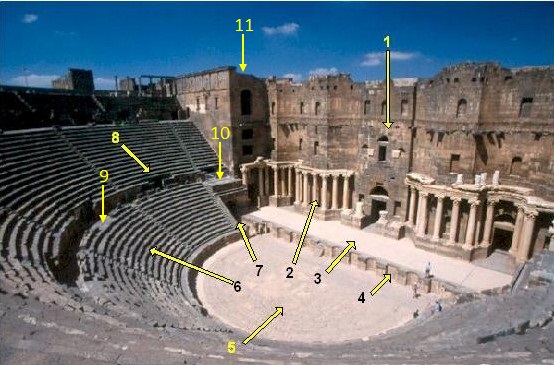
Interior view of the Roman theatre of Bosra, Syria: 1) Scaenae frons 2) Porticus post scaenam 3) Pulpitum 4) Proscaenium 5) Orchestra 6) Cavea 7) Aditus maximus 8) Vomitorium.
These buildings were semi-circular and possessed certain inherent architectural structures, with minor differences depending on the region in which they were constructed. The scaenae frons was a high back wall of the stage floor, supported by columns. The proscaenium was a wall that supported the front edge of the stage with ornately decorated niches off to the sides. The Hellenistic influence is seen through the use of the proscaenium. The Roman theatre also had a podium, which sometimes supported the columns of the scaenae frons. The theatre itself was divided into the stage (orchestra) and the seating section (auditorium). Vomitoria or entrances and exits were made available to the audience.
The auditorium, the area in which people gathered, was sometimes constructed on a small hill or slope in which stacked seating could be easily made in the tradition of the Greek Theatres. The center of the auditorium was hollowed out of a hill or slope, while the outer radian seats required structural support and solid retaining walls. This was of course not always the case as Romans tended to build their theatres regardless of the availability of hillsides. All theatres built within the city of Rome were completely man-made without the use of earthworks. The auditorium was not roofed; rather, awnings (vela) could be pulled overhead to provide shelter from rain or sunlight. Some Roman theatres, constructed of wood, were torn down after the festival for which they were erected concluded. This practice was due to a moratorium on permanent theatre structures that lasted until 55 BC when the Theatre of Pompey was built with the addition of a temple to avoid the law. Some Roman theatres show signs of never having been completed in the first place. Inside Rome, few theatres have survived the centuries following their construction, providing little evidence about the specific theatres. The Roman theatre of Orange in modern Orange, France, is a good example of a classic Roman theatre, with an indented scaenae frons, reminiscent of Western Roman theatre designs, however stripped of its ornamental stone columns, statues and facing.
Standard floor plan of a Roman theatre.
Nhà hát La Mã có nguồn gốc từ và là một phần của sự phát triển chung của các nhà hát Hy Lạp trước đó. Thực tế, phần lớn ảnh hưởng kiến ​​trúc đến người La Mã là từ người Hy Lạp, và thiết kế kết cấu nhà hát cũng không khác gì các tòa nhà khác. Tuy nhiên, nhà hát La Mã có sự khác biệt cụ thể, như thường được xây dựng trên nền tảng riêng của họ thay vì các công trình đất hoặc sườn đồi và được bao bọc hoàn toàn từ mọi phía. Nhà hát La Mã được xây dựng ở tất cả các khu vực của đế chế từ Tây Ban Nha đến Trung Đông. Do khả năng của người La Mã ảnh hưởng đến kiến ​​trúc địa phương, chúng ta thấy nhiều nhà hát trên toàn thế giới có các thuộc tính riêng biệt của La Mã. Có những điểm tương đồng giữa nhà hát và các viện bảo tàng của Rome / Italy cổ. Chúng được xây dựng từ vật liệu tương tự, bằng bê tông La mã, và cung cấp nơi để công chúng đi xem nhiều sự kiện trên khắp đế chế. Tuy nhiên, chúng là hai cấu trúc hoàn toàn khác nhau, với bố trí cụ thể cho vay các sự kiện khác nhau mà họ tổ chức. Amphitheatres không cần những âm thanh vượt trội, không giống những âm thanh được cung cấp bởi cấu trúc của một nhà hát La mã. Trong khi amphitheatres sẽ có các cuộc đua và các sự kiện đấu giá, nhà hát đã tổ chức các sự kiện như diễn tuồng, kịch câm, hợp xướng, diễn thuyết, và thương mại. Thiết kế của họ, với hình dạng hình bán nguyệt, tăng cường âm thanh tự nhiên, không giống như các giảng đường La mã được xây dựng trong vòng tròn.
Roman Theatre (Mérida)
Những tòa nhà này có bán kính tròn và có cấu trúc kiến ​​trúc cố hữu nhất định, với sự khác biệt nhỏ phụ thuộc vào khu vực mà chúng được xây dựng. Những bình phong là một bức tường phía sau trên tầng cao sân khấu, được hỗ trợ bởi các cột. Proscaenium là một bức tường bổ trợ các cạnh phía trước của sân khấu với những hốc trang trí trang trí sang hai bên. Ảnh hưởng Hy Lạp được nhìn nhận thông qua việc sử dụng các sân trước này. Nhà hát La Mã cũng có một bục, đôi khi hỗ trợ các cột của các Scaenae. Nhà hát được chia thành sân khấu (dàn nhạc) và phần ghế ngồi (thính phòng). Vomitoria hoặc lối vào và lối ra đã được cung cấp cho khán giả. Thính phòng, khu vực mà người dân tụ tập, thỉnh thoảng được xây dựng trên một ngọn đồi nhỏ hoặc dốc, trong đó có thể dễ dàng làm ghế xếp chồng lên nhau theo truyền thống của Nhà hát Hy Lạp. Trung tâm thính phòng được rỗng ra khỏi một ngọn đồi hoặc độ dốc, trong khi các ghế radian ngoài đòi hỏi phải có cấu trúc và tường chắn vững chắc. Dĩ nhiên không phải lúc nào cũng như vậy khi người Rôma có xu hướng xây dựng nhà hát của họ bất kể sự có sẵn của sườn đồi. Tất cả các rạp hát được xây dựng trong thành phố Rome đều hoàn toàn nhân tạo mà không cần sử dụng đất đào. Thính phòng không được lợp mái; Thay vào đó, mái che (vela) có thể được kéo trên cao để cung cấp nơi trú ẩn từ mưa hoặc ánh nắng.
Roman Theatre at Palmyra.
Một số rạp La Mã, được xây dựng bằng gỗ, đã bị phá hủy sau khi lễ hội mà họ đã được dựng lên kết luận. Thực hành này là do lệnh tạm đình chỉ các cấu trúc nhà hát vĩnh viễn kéo dài đến năm 55 TCN khi Nhà hát Pompey được xây dựng với việc bổ sung một ngôi đền để tránh luật pháp. Một số rạp La Mã có dấu hiệu cho thấy chưa bao giờ được hoàn thành ở nơi đầu tiên. Bên trong Rome, vài rạp đã tồn tại qua nhiều thế kỷ sau khi xây dựng, cung cấp ít bằng chứng về các nhà hát cụ thể. Nhà hát La Mã La mã hiện đại ở Orange, Pháp, là một ví dụ điển hình cho một rạp hát cổ điển của La Mã, với những chiếc Scaenae lõm, gợi nhớ lại các thiết kế của nhà hát Tây La Mã, tuy nhiên đã bị vạch ra các cột đá trang trí, tượng và mặt.

Thursday, August 31, 2017

Elizabethan theaters structure

Related image
During the Elizabethan era in England, theaters were constructed of wooden framing, infilled with wattle and daub and roofed with thatch. Mostly the theaters where entirely open air. They consisted of several floors of covered galleries surrounding a courtyard which was open to the elements. A large portion of the audience would stand in the yard, directly in front of the stage. This layout is said to derive from the practice of holding plays in the yard of an inn. 

Wednesday, August 30, 2017

Indoor theaters structure

Recreation of Shakespeare's Globe Theatre in London
Renaissance Europe
During the Renaissance, the first modern enclosed theaters were constructed in Italy. Their structure was similar to that of ancient theaters, with a cavea and an architectural scenery, representing a city street. The oldest surviving examples of this style are the Teatro Olimpico in Vicenza (1580) and the Teatro all'antica in Sabbioneta (1590). 

Monday, August 28, 2017

Chorus's function

Image result for chorus in greek drama
Although the historical origins of Greek drama are unclear it may be said it had relevance to religion, art and to the love of expression and perceptive storytelling in general. The origins of the chorus in particular may have stemmed out of ancient rites and rituals with elements of song and dance, and most importantly - the gathering of people.

Sunday, August 27, 2017

The Odyssey (725 BC)

Image result for The Odyssey
Introduction
“The Odyssey” (Gr: “Odysseia”) is the second of the two epic poems attributed to the ancient Greek poet Homer (the first being “The Iliad”), and usually considered the second extant work of Western literature. It was probably composed near the end of the 8th Century BCE and is, in part, a sequel to “The Iliad”.

Saturday, August 26, 2017

The Oresteia (458 BC)

Image result for The Oresteia
Introduction
“The Oresteia” trilogy by the ancient Greek playwright Aeschylus consists of the three linked plays “Agamemnon”, “The Libation Bearers” and “The Eumenides”. The trilogy as a whole, originally performed at the annual Dionysia festival in Athens in 458 BCE, where it won first prize, is considered to be Aeschylus’ last authenticated, and also his greatest, work.

Friday, August 25, 2017

Oedipus the King (429 BC)


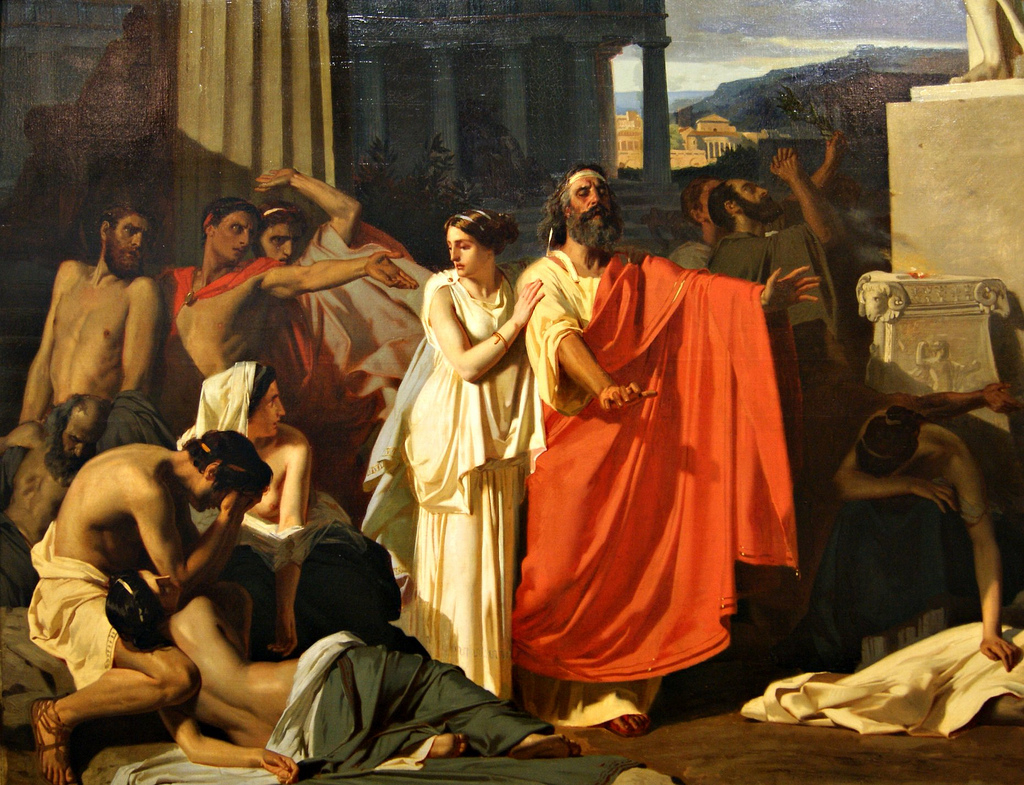
“Oedipus the King” (Gr: “Oidipous Tyrannos”; Lat: “Oedipus Rex”) is a tragedy by the ancient Greek playwright Sophocles, first performed in about 429 BCE. It was the second of Sophocles' three Theban plays to be produced, but it comes first in the internal chronology (followed by “Oedipus at Colonus” and then “Antigone”). It follows the story of King Oedipus of Thebes as he discovers that he has unwittingly killed his own father, Laius, and married his own mother, Jocasta. Over the centuries, it has come to be regarded by many as the Greek tragedy par excellence and certainly as the summit of Sophocles’ achievements.
Synopsis
Shortly after Oedipus’ birth, his father, King Laius of Thebes, learned from an oracle that he, Laius, was doomed to perish by the hand of his own son, and so ordered his wife Jocasta to kill the infant. However, neither she nor her servant could bring themselves to kill him and he was abandoned to elements. There he was found and brought up by a shepherd, before being taken in and raised in the court of the childless King Polybus of Corinth as if he were his own son. Stung by rumours that he was not the biological son of the king, Oedipus consulted an oracle which foretold that he would marry his own mother and kill his own father. Desperate to avoid this foretold fate, and believing Polybus and Merope to be his true parents, Oedipus left Corinth. On the road to Thebes, he met Laius, his real father, and, unaware of each other's true identities, they quarrelled and Oedipus' pride led him to murder Laius, fulfilling part of the oracle's prophecy. Later, he solved the riddle of the Sphinx and his reward for freeing the kingdom of Thebes from the Sphinx’s curse was the hand of Queen Jocasta (actually his biological mother) and the crown of the city of Thebes. The prophecy was thus fulfilled, although none of the main characters were aware of it at this point.
As the play opens, a priest and the Chorus of Theban elders are calling on King Oedipus to aid them with the plague which has been sent by Apollo to ravage the city. Oedipus has already sent Creon, his brother-in-law, to consult the oracle at Delphi on the matter, and when Creon returns at that very moment, he reports that the plague will only end when the murderer of their former king, Laius, is caught and brought to justice. Oedipus vows to find the murderer and curses him for the plague that he has caused. Oedipus also summons the blind prophet Tiresias, who claims to know the answers to Oedipus' questions, but refuses to speak, lamenting his ability to see the truth when the truth brings nothing but pain. He advises Oedipus to abandon his search but, when the enraged Oedipus accuses Tiresias of complicity in the murder, Tiresias is provoked into telling the king the truth, that he himself is the murderer. Oedipus dismisses this as nonsense, accusing the prophet of being corrupted by the ambitious Creon in an attempt to undermine him, and Tiresias leaves, putting forth one last riddle : that the murderer of Laius will turn out to be both father and brother to his own children, and the son of his own wife. 
Oedipus demands that Creon be executed, convinced that he is conspiring against him, and only the intervention of the Chorus persuades him to let Creon live. Oedipus' wife Jocasta tells him he should take no notice of prophets and oracles anyway because, many years ago, she and Laius received an oracle which never came true. This prophecy said that Laius would be killed by his own son but, as everyone knows, Laius was actually killed by bandits at a crossroads on the way to Delphi. The mention of crossroads causes Oedipus to give pause and he suddenly becomes worried that Tiresias' accusations may actually have been true. When a messenger from Corinth arrives with news of the death of King Polybus, Oedipus shocks everyone with his apparent happiness at the news, as he sees this as proof that he can never kill his father, although he still fears that he may somehow commit incest with his mother. The messenger, eager to ease Oedipus' mind, tells him not to worry because Queen Merope of Corinth was not in fact his real mother anyway.
The messenger turns out to be the very shepherd who had looked after an abandoned child, which he later took to Corinth and gave up to King Polybus for adoption. He is also the very same shepherd who witnessed the murder of Laius. By now, Jocasta is beginning to realize the truth, and desperately begs Oedipus to stop asking questions. But Oedipus presses the shepherd, threatening him with torture or execution, until it finally emerges that the child he gave away was Laius' own son, and that Jocasta had given the baby to the shepherd to secretly be exposed upon the mountainside, in fear of the prophecy that Jocasta said had never come true: that the child would kill its father. With all now finally revealed, Oedipus curses himself and his tragic destiny and stumbles off, as the Chorus laments how even a great man can be felled by fate. A servant enters and explains that Jocasta, when she had begun to suspect the truth, had ran to the palace bedroom and hanged herself there. Oedipus enters, deliriously calling for a sword so that he might kill himself and raging through the house until he comes upon Jocasta's body. In final despair, Oedipus takes two long gold pins from her dress, and plunges them into his own eyes. Now blind, Oedipus begs to be exiled as soon as possible, and asks Creon to look after his two daughters, Antigone and Ismene, lamenting that they should have been born into such a cursed family. Creon counsels that Oedipus should be kept in the palace until oracles can be consulted regarding what is best to be done, and the play ends as the Chorus wails : ‘Count no man happy till he dies, free of pain at last’.
Related image
"Oedipus the King" (Gr: Oidipous Tyrannos), Lat: “Oedipus Rex”) là một bi kịch của nhà soạn kịch Hy Lạp cổ đại Sophocles, lần đầu tiên trình diễn vào khoảng năm 429 TCN. Đây là vở thứ hai của ba vở kịch Theban của Sophocles, nhưng là lần đầu tiên trong nội trình (theo sau là "Oedipus at Colonus" và sau đó là "Antigone"). Nó kể theo sau câu chuyện Vua Oedipus của  Thebes khi ông phát hiện ra rằng ông đã vô tình giết cha mình, Laius, và cưới mẹ mình, Jocasta. Qua nhiều thế kỷ, nó đã được nhiều người coi là một bi kịch tuyệt vời của Hy Lạp và chắc chắn đó là đỉnh cao thành tựu của Sophocles.
Tóm tắc
Ngay sau khi Oedipus ra đời, cha của ông, vua Laius xứ Thebes, đã biết được từ một lời tiên tri rằng ông, Laius, đã phải chết do phải chết vì tay của con trai ông, cho nên đã ra lệnh cho vợ ông Jocasta giết đứa trẻ sơ sinh. Tuy nhiên, bà và người hầu của không thể giết chết đứa bé mà đem đi bỏ rơi. Ở đó được một người chăn cừu tìm thấy và nuôi nấng trước khi đưa lên triều đình của vua Polybus xứ Corinth không có con để làm con nuôi. Mối lo lắng của tin đồn rằng ông không phải là con trai ruột của nhà vua, Oedipus đã hỏi ý kiến ​​một lời tiên tri đã nói trước rằng ông sẽ kết hôn với mẹ mình và giết cha mình. Tuyệt vọng để tránh số phận như được dự đoán trước, trong khi vẫn tin rằng Polybus và Merope là cha mẹ ruột của mình, nên Oedipus rời Corinth. Trên con đường tới Thebes, ông gặp Laius, người cha thực sự của mình, và không nhận biết được mối quan hệ thực sự của nhau, họ đã cãi nhau và dẫn đến việc Oedipus giết chết Laius, hoàn thành một phần của lời tiên tri. Sau đó, ông giải được câu đố của Nhân sư, và phần thưởng cho việc giải cứu Thebes khỏi lời nguyền của Nhân sư là lấy Nữ hoàng Jocasta (thực ra là mẹ ruột của mình) và đoạt vương miện xứ Thebes. Thế là lời tiên tri đã được hoàn thành, mặc dù không ai trong số các nhân vật chính biết được về nó vào thời điểm này.
Bắt đầu vở diễn, một linh mục và dàn đồng ca (Chorus) của các trưởng lão Theban đang kêu gọi Vua Eedipus trợ giúp cho họ với căn bệnh dịch hạch đã được Apollo gửi đi để phá hủy thành phố. Oedipus đã gửi Creon, anh rể của anh ta, để hỏi ý kiến ​​của nhà tiên tri Delphi về vấn đề này, và khi Creon trở lại vào lúc đó, anh ta báo cáo rằng bệnh dịch chỉ chấm dứt khi kẻ giết người của vị vua cũ của họ là Laius bị bắt và đưa ra công lý. Oedipus thề sẽ tìm ra kẻ giết người và nguyền rủa anh ta vì bệnh dịch hạch mà anh ta gây ra. Oedipus cũng triệu hồi Tiresias tiên tri mù, người tuyên bố biết câu trả lời cho câu hỏi của Oedipus, nhưng từ chối nói, than thở về khả năng của mình để nhìn thấy sự thật khi sự thật không mang lại gì ngoài đau đớn. Ông ta khuyên Oedipus nên từ bỏ cuộc tìm kiếm của mình, nhưng khi Oedipus tức giận tố cáo Tiresias về sự đồng lõa trong vụ giết người, Tiresias bị kích động khi nói với nhà vua rằng ông ta là kẻ sát nhân. Oedipus bác bỏ điều này như là vô nghĩa, buộc tội vị tiên tri bị phá hoại bởi Creon đầy tham vọng trong một nỗ lực để phá hoại ông, và Tiresias bỏ đi, đưa ra một câu đố cuối cùng : rằng kẻ giết Laius sẽ trở thành vừa là cha và anh của các đứa con, và con của vợ mình.
Oedipus yêu cầu Creon bị hành hình, thuyết phục rằng anh ta đang âm mưu chống lại anh ta, và chỉ có sự can thiệp của Chorus thuyết phục anh ta để Creon sống. Vợ của Oedipus, Jocasta, nói với ông rằng không nên để ý đến các tiên tri và những lời tiên tri bởi vì, nhiều năm trước, bà và Laius đã nhận được một lời tiên tri mà không bao giờ thành sự thật. Lời tiên tri này nói rằng Laius sẽ bị giết bởi con trai của mình, nhưng, như mọi người đều biết, Laius đã bị bọn cướp giết chết tại một ngã tư trên Delphi. Việc đề cập ngang chừng làm cho Oedipus tạm dừng và anh ta đột nhiên trở nên lo lắng rằng những cáo buộc của Tiresias có thể thực sự là đúng. Khi một sứ giả từ Corinth đến đưa tin về cái chết của Vua Polybus, Oedipus gây sốc cho mọi người bằng niềm hạnh phúc rỡ ràng của mình khi nghe tin, ông thấy điều này như là bằng chứng cho thấy ông không bao giờ có thể giết cha mình, mặc dù ông vẫn lo sợ rằng có thể ai đó xúi giục một cách nào đó với mẹ mình. Người nhắn tin, háo hức muốn xoa dịu tâm trí của Oedipus, bảo ông đừng lo lắng vì Nữ hoàng Merope của Corinth thực tế không phải là người mẹ thực sự của ông ta.

Thursday, August 24, 2017

Heracles (416 BC)

Image result for Heracles
“Heracles” or “The Madness of Heracles” (Gr: “Herakles Mainomenos”; Lat: “Hercules Furens”) is a tragedy by the ancient Greek playwright Euripides. It describes the frenzy of divinely induced madness of the Greek hero Heracles which led him to kill his own wife and children. It was written around 416 BCE or earlier, the second of two surviving plays by Euripides concerning the family of Heracles (the first being the “Heraclidae”), and was first produced at the Dionysia festival of Athens, although it did not win any prize.

Wednesday, August 23, 2017

Troades (415 BC)

Image result for The Trojan Women
“The Trojan Women” (Gr: “Troädes”) is a tragedy by the ancient Greek playwright Euripides. It was first presented at the City Dionysia of 415 BCE, along with two other unconnected tragedies, “Alexandros” and “Palamedes”, and the comedic satyr play “Sisyphos”, all of which have since been lost to antiquity.

Tuesday, August 22, 2017

The Argonautica (246 BC)

Image result for The Argonautica
“The Argonautica” is the best known work by the 3rd Century BCE Hellenistic poet and scholar, Apollonius of Rhodes. It is an epic poem in the style of Homer, and tells the story of Jason and the Argonauts and their quest for the Golden Fleece. But it is Greek epic poetry updated for the tastes of a more discerning and rational Hellenistic audience. Little regarded in ancient times, it has since come to be recognized for its own intrinsic merit, and for its influence on later Latin poets.

Sunday, August 20, 2017

Oedipus (55 AD)


“Oedipus” is a tragedy by the Roman playwright Seneca the Younger, written around 55 AD. It is a retelling of the story of the unlucky King Oedipus, who finds out that he has unknowingly killed his father and married his own mother, a story better known through the play “Oedipus the King” by the ancient Greek playwright, Sophocles.

Saturday, August 19, 2017

Everyman (15th century)

Image result for Ev eryman

The Somonyng of Everyman (The Summoning of Everyman), usually referred to simply as Everyman, is a late 15th-century morality play. Like John Bunyan's 1678 Christian novel The Pilgrim's Progress, Everyman uses allegorical characters to examine the question of Christian salvation and what Man must do to attain it.

Friday, August 18, 2017

Hamlet (1600)

The Tragedy of Hamlet, Prince of Denmark, often shortened to Hamlet, is a tragedy written by William Shakespeare at an uncertain date between 1599 and 1602. Set in Denmark, the play dramatises the revenge Prince Hamlet is called to wreak upon his uncle, Claudius, by the ghost of Hamlet's father, King Hamlet.

Thursday, August 17, 2017

Macbeth (1606)

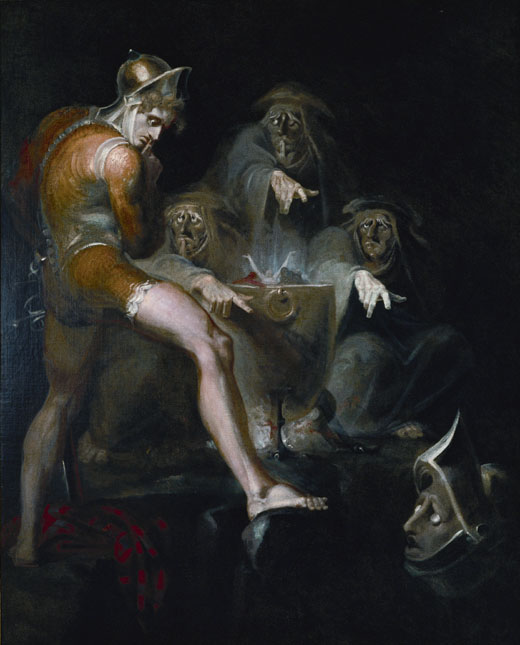
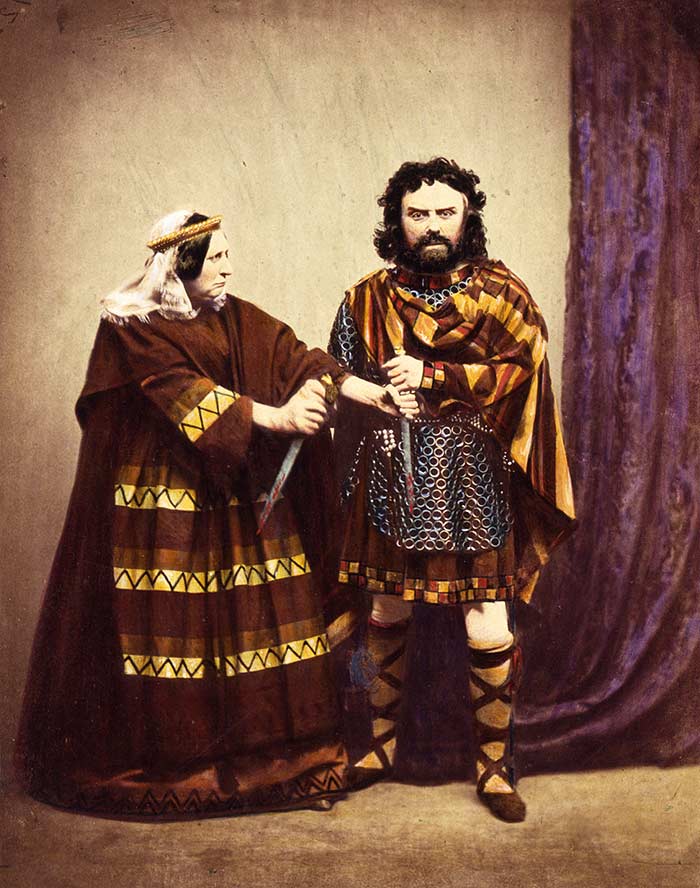
Macbeth is a tragedy by William Shakespeare; it is thought to have been first performed in 1606. It dramatises the damaging physical and psychological effects of political ambition on those who seek power for its own sake. Of all the plays that Shakespeare wrote during the reign of James I, who was patron of Shakespeare's acting company, Macbeth most clearly reflects the playwright's relationship with his sovereign. It was first published in the Folio of 1623, possibly from a prompt book, and is Shakespeare's shortest tragedy. A brave Scottish general named Macbeth receives a prophecy from a trio of witches that one day he will become King of Scotland. Consumed by ambition and spurred to action by his wife, Macbeth murders King Duncan and takes the Scottish throne for himself. He is then wracked with guilt and paranoia. Forced to commit more and more murders to protect himself from enmity and suspicion, he soon becomes a tyrannical ruler. The bloodbath and consequent civil war swiftly take Macbeth and Lady Macbeth into the realms of madness and death.
King of Scotland; Macduff; and Duncan in Holinshed's Chronicles (1587), a history of England, Scotland, and Ireland familiar to Shakespeare and his contemporaries, although the events in the play differ extensively from the history of the real Macbeth. The events of the tragedy are usually associated with the execution of Henry Garnet for complicity in the Gunpowder Plot of 1605. In the backstage world of theatre, some believe that the play is cursed, and will not mention its title aloud, referring to it instead as "The Scottish Play". Over the course of many centuries, the play has attracted some of the most renowned actors to the roles of Macbeth and Lady Macbeth. It has been adapted to film, television, opera, novels, comics, and other media.
The disastrous consequences of Macbeth's ambition are not limited to him. Almost from the moment of the murder, the play depicts Scotland as a land shaken by inversions of the natural order. Shakespeare may have intended a reference to the great chain of being, although the play's images of disorder are mostly not specific enough to support detailed intellectual readings. He may also have intended an elaborate compliment to James's belief in the divine right of kings, although this hypothesis, outlined at greatest length by Henry N. Paul, is not universally accepted. As in Julius Caesar, though, perturbations in the political sphere are echoed and even amplified by events in the material world. 
Critics in the early twentieth century reacted against what they saw as an excessive dependence on the study of character in criticism of the play. This dependence, though most closely associated with Andrew Cecil Bradley, is clear as early as the time of Mary Cowden Clarke, who offered precise, if fanciful, accounts of the predramatic lives of Shakespeare's female leads. She suggested, for instance, that the child Lady Macbeth refers to in the first act died during a foolish military action.
In the play, the Three Witches represent darkness, chaos, and conflict, while their role is as agents and witnesses. Their presence communicates treason and impending doom. During Shakespeare's day, witches were seen as worse than rebels, "the most notorious traytor and rebell that can be." They were not only political traitors, but spiritual traitors as well. Much of the confusion that springs from them comes from their ability to straddle the play's borders between reality and the supernatural. They are so deeply entrenched in both worlds that it is unclear whether they control fate, or whether they are merely its agents. They defy logic, not being subject to the rules of the real world. The witches' lines in the first act: "Fair is foul, and foul is fair: Hover through the fog and filthy air" are often said to set the tone for the rest of the play by establishing a sense of confusion. Indeed, the play is filled with situations where evil is depicted as good, while good is rendered evil. The line "Double, double toil and trouble," communicates the witches' intent clearly: they seek only trouble for the mortals around them. The witches' spells are remarkably similar to the spells of the witch Medusa in Anthony Munday's play Fidele and Fortunio published in 1584, and Shakespeare may have been influenced by these.
Macbeth là một bi kịch của William Shakespeare; nó được cho là đã được trình diễn lần đầu tiên vào năm 1606. Nó làm tăng thêm những ảnh hưởng vật chất và tâm lý gây tổn hại cho tham vọng chính trị đối với những ai tìm kiếm quyền lực vì chính nó. Trong tất cả các vở kịch mà Shakespeare đã viết trong thời trị vì của James I, người bảo trợ cho công ty diễn xuất của Shakespeare, Macbeth rõ ràng phản ánh mối quan hệ của nhà soạn kịch với chủ quyền của ông. Nó được xuất bản lần đầu tiên trong Folio năm 1623, có thể từ một cuốn sách nhanh chóng, và là bi kịch ngắn nhất của Shakespeare. Một vị tướng Scotland dũng cảm tên là Macbeth nhận được một lời tiên tri từ một bộ ba phù thủy rằng một ngày nào đó ông sẽ trở thành Vua của Scotland. Tiêu thụ bởi tham vọng và được kích động bởi hành động của vợ ông, Macbeth giết ông vua Duncan và lấy ngôi vị Scotland cho mình. Sau đó, ông ta bị tàn phá bởi tội lỗi và hoang tưởng. Buộc phải cam kết ngày càng nhiều vụ giết người để tự bảo vệ mình khỏi sự thù hận và nghi ngờ, ông nhanh chóng trở thành một nhà cai trị tàn bạo. Cuộc mưu chiến và cuộc nội chiến kết quả nhanh chóng đưa Macbeth và Lady Macbeth vào trong lĩnh vực điên cuồng và cái chết.
Vua của Scotland; Macduff; và Duncan trong Chronicles của Holinshed (1587), một lịch sử của Anh, Scotland, và Ireland quen thuộc với Shakespeare và những người đương thời, mặc dù các sự kiện trong vở kịch khác biệt rất nhiều so với lịch sử của Macbeth thực. Các sự kiện của bi kịch này thường liên quan đến việc thực hiện của Henry Garnet vì sự đồng lõa trong Âm mưu thuốc súng (một nỗ lực thất bại của một nhóm tín đồ công giáo ở các tỉnh của Anh, nhằm mưu sát vua James I) năm 1605. Trong thế giới hậu trường sân khấu, một số người tin rằng vở kịch bị nguyền rủa và sẽ không đề cập đến tiêu đề của nó, thay vào đó là "The Scottish Play". Trong suốt nhiều thế kỷ, vở kịch đã thu hút một số diễn viên nổi tiếng nhất trong vai trò của Macbeth và Lady Macbeth. Nó đã được chuyển thể cho phim ảnh, truyền hình, opera, tiểu thuyết, truyện tranh và các phương tiện truyền thông khác.
Những hậu quả tai hại của tham vọng của Macbeth không chỉ giới hạn ở anh ta. Hầu như từ thời điểm giết người, vở kịch miêu tả Scotland như một vùng đất rung chuyển bởi sự đảo ngược của trật tự tự nhiên. Shakespeare có thể đã có ý định tham chiếu đến chuỗi lớn của sự tồn tại, mặc dù hình ảnh của vở kịch rối loạn chủ yếu không đủ cụ thể để hỗ trợ chi tiết về mặt trí tuệ. Ông cũng có thể đã có ý định một lời khen ngợi về niềm tin của James về quyền thần thánh của các vị vua, mặc dù giả thuyết này, được vạch ra bởi Henry N. Paul, không được chấp nhận rộng rãi. Tuy nhiên, như Julius Caesar, những lo ngại về lĩnh vực chính trị được lặp lại và thậm chí được khuếch đại bởi các sự kiện trong thế giới vật chất. 
Những người chỉ trích hồi đầu thế kỷ XX phản ứng lại những gì mà họ cho là sự lệ thuộc quá mức vào việc nghiên cứu nhân vật trong phê bình vở kịch. Sự phụ thuộc này, mặc dù liên quan mật thiết nhất với Andrew Cecil Bradley, rõ ràng ngay từ thời của Mary Cowden Clarke, người đã đưa ra những câu chuyện có tính chính xác, nếu huyền ảo về cuộc đời sơ khai của các nữ diễn viên Shakespeare. Chẳng hạn, cô gợi ý rằng đứa trẻ mà Lady Macbeth đề cập đến trong hành động đầu tiên đã chết trong một hành động quân sự dại dột.

Wednesday, August 16, 2017

Le Cid (1636)

Related image
Le Cid is a five-act French tragicomedy written by Pierre Corneille, first performed in January 1636 at the Théâtre du Marais in Paris and published the same year. It is based on Guillén de Castro's play Las mocedades del Cid, published in 1618. Castro's play in turn is based on the legend of El Cid. The play followed Corneille's first true tragedy, Médée, produced in 1635.

Tuesday, August 15, 2017

The Beggar's Opera (1728)

Related image
The Beggar's Opera is a ballad opera in three acts written in 1728 by John Gay with music arranged by Johann Christoph Pepusch. It is one of the watershed plays in Augustan drama and is the only example of the once thriving genre of satirical ballad opera to remain popular today. Ballad operas were satiric musical plays that used some of the conventions of opera, but without recitative.

Monday, August 14, 2017

Cain (1821)

Image result for Cain and Abel
Cain is a dramatic work by Lord Byron published in 1821. In Cain, Byron dramatizes the story of Cain and Abel from Cain's point of view. Cain is an example of the literary genre known as closet drama. The play commences with Cain refusing to participate in his family's prayer of thanksgiving to God.